How Many People in Switzerland Speak English?
Switzerland is a small country but home to four national languages The majority of Swiss people speak German as a mother tongue, though certain regions in the country also have a sizable population of people who speak French or Italian. But what about English?
English is the most widely spoken foreign language in Switzerland. Of all the languages spoken in the country, English is the second most widespread besides German and its dialects. More than half of all people speak English in Switzerland, a rate similar to that of neighboring Germany or Austria.
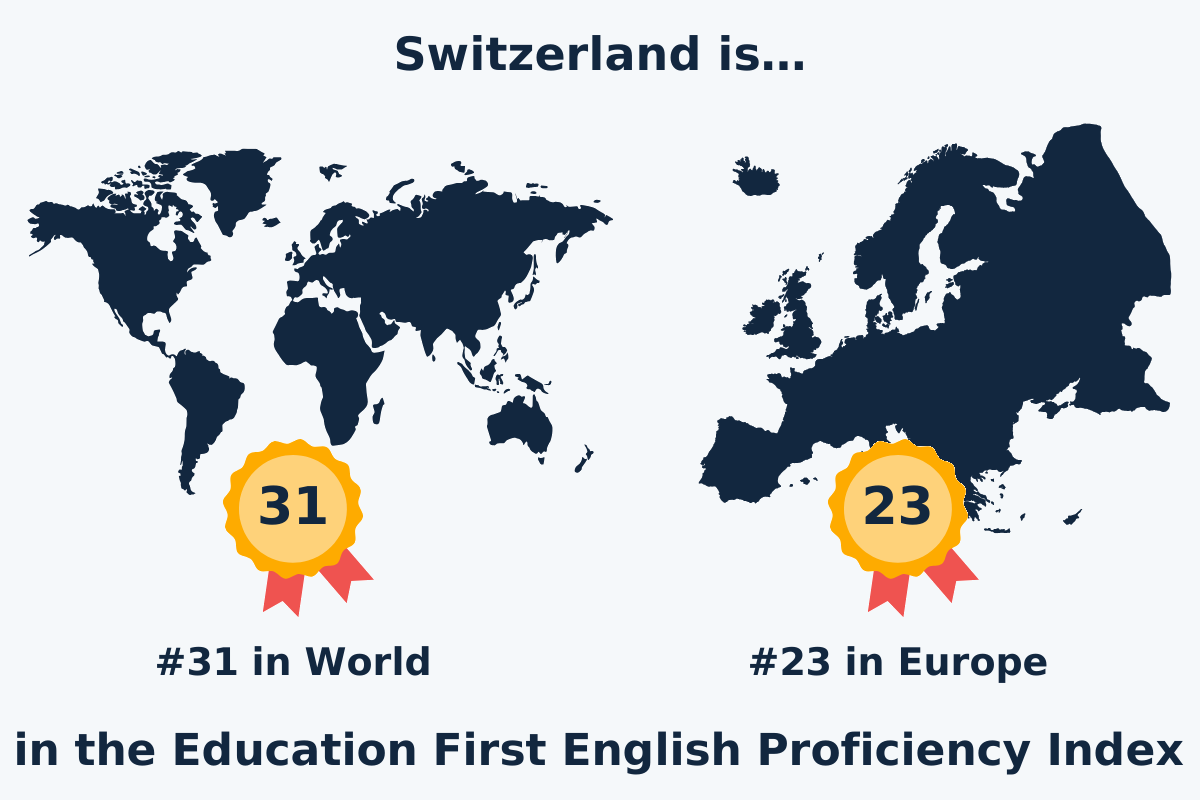
The level of English in Switzerland is also quite good. According to the latest edition of the EF English Proficiency Index, Switzerland has high English proficiency on average. In 2024, Switzerland ranked #23 in Europe and #31 in the world in terms of English skills.
Overall, more than one in two Swiss people know English, and the average English speaker in the country is fluent. However, the percentage of fluent English speakers varies greatly across different regions.
Want to learn where in Switzerland they speak the best English? Keep reading for a more in-depth look at the data!
What Percentage of People in Switzerland Speak English?
The latest comprehensive study on English speakers in Switzerland dates back to 1999, so the figures might have changed slightly within the past two decades. Here are the numbers:
- Roughly 60% of Switzerland’s population spoke English at the time.
- 68% of Swiss people living in German speaking cantons spoke English, the highest proportion in the country. Most English-speaking Germanophones had good language skills.
- 52% of Swiss people in French-speaking regions spoke English, most having good language skills.
- Only 30% of the Swiss in Italian-speaking regions knew English, mostly at a basic level.
While a little less than a third of Italophones claimed to speak English, it’s worth noting that Italian-speaking Swiss make up less than 8-9% of the country’s population. French speakers make up over 20% of Switzerland’s population, while German speakers represent over 60% of all Swiss people.
When looking at the use of the English language in Switzerland today, English still appears slightly more common in German and French-speaking regions, compared to Italian ones.
Here are the 2021 figures provided by Switzerland’s Federal Statistical Office:
- 45% of Swiss people over the age of 15 regularly use the English language in daily life.
- 46% of those in German-speaking regions use English regularly.
- 43% of the French-speaking Swiss also use English frequently.
- Only 37% of Italian-speaking Swiss claimed to use English regularly.
These percentages only include the people who use the English language at least once a week, not the totality of English speakers in the country. The share of people who know English is likely higher. English is also the language with the most active learners among Swiss people aged 25 and over.
According to the Swiss FSO figures, English is the third most widely spoken language in Switzerland besides Standard German and Swiss German. In French and Italian regions, English is the second most widely spoken language.
Sources: Université De Genève, Bundesamt für Statistik
We have the figures for several other European countries besides, including, Sweden, Finland, Norway, and Germany.
Number of English Speakers in Switzerland (General Stats)
The majority of Swiss people know English to a certain extent. In fact, the average person in Switzerland appears to speak English fluently, according to English Proficiency Index (EPI) data.
That said, Switzerland is still #23 in Europe by English skills, well behind neighboring Germany and Austria. The average English proficiency in the country has been steadily dropping since 2020, even though it’s increasingly common to hear English as a lingua franca across Swiss regions.
So, what’s actually happening with English in Switzerland? Let’s take a closer look:
-
Over 5 million people in Switzerland speak English as a foreign language.
-
An additional half million Swiss people speak English as a native language.
-
The average English proficiency in Switzerland is high, although declining. Since the introduction of the EPI ranking in 2011, Switzerland went from an average proficiency score of 519 points up to a peak of 588 points in 2020. In 2023, the average score was 553 points.
-
English is most common in German and French-speaking regions, compared to Italian ones.
-
English proficiency is also highest in German-speaking regions, while French speaking regions have moderate English skills. Italian regions have low English proficiency on average.
-
Regional school curricula could explain part of the difference among regions. For the past two decades, many of the German cantons of Switzerland have shifted from French to English as the main second language taught in school.
French cantons focus mainly on German and schools only teach English beginning in the fifth year. In Ticino, the main Italian speaking canton in Switzerland, French and German are still the priority languages taught in schools.
- In all Swiss language regions, the second language most widely spoken is English. Over twice as many French and German-speaking Swiss use English, rather than any of the other national languages taught in school.
English is still the most common second language among the Italian-speaking Swiss, although less so than in other parts of the country. In the Italian part of Switzerland, fewer people use English commonly, but more people use German and French as a second language compared to other cantons.
-
The average English speaker in the cities have the equivalent of a CEFR level of C1 (Advanced).
-
Swiss people under 40 are the most likely to speak English and have the highest English proficiency on average.
10. English proficiency has dropped across all age groups following the pandemic, but it has picked up again since then.
More and more people either already speak, or are learning English in Switzerland. Especially among young people, English is seen as a convenient medium of communication in mixed-language groups, where not everyone can communicate efficiently in a common national language.
Most new English learners in Switzerland are school-aged pupils or university students. However, around 7% of adults over 25 years old also stated they were actively learning English in 2021.
The recent decrease in English proficiency could be a transient effect of the higher number of English learners in the country. Reaching fluency in a new language takes time. Right now, Switzerland could have more English speakers of all levels, especially beginners and intermediate learners.
Another potential reason for the decreasing English proficiency could be the COVID-19 pandemic, according to the latest EF report. Swiss people aged 18-25 had the largest drops in proficiency scores between 2020-2022, likely due to changes within the education system during the lockdown period. Since 2022, proficiency has picked back up within this age group.
Sources: Université De Genève, Bundesamt für Statistik, SWI swissinfo 1 & 2, Education First
Where In Switzerland Is English Widely Spoken?
Switzerland is a linguistically diverse country that can be separated into four language regions known as “Sprachgebiete.” Each Sprachgebiet has an official language, be it German (63% of the Swiss population), French (23%), Italian (8%), or Romansh (<1%).
English is most commonly spoken in the German and French parts of Switzerland, especially in the following cantons:
- Zug
- Basel-Stadt
- Zurich
- Geneva
These regions are especially popular with expats migrating to Switzerland. Over 10% of people living in these cantons speak English as their main language. The local population also has good English on average.
At the other end of the spectrum is the Italian Sprachgebiet, where English is the least common, and the average level of English is low.
Let’s take a look at English proficiency data for some of Switzerland’s largest cantons:
| Canton | Sprachgebiet | EPI Score | Proficiency | CEFR Level |
| Basel-Stadt | German | 638 | Very high | C1 (Advanced) |
| Zug | 595 | High | B2 (Upper-intermediate) | |
| Zurich | 594 | |||
| Aargau | 584 | |||
| Thurgau | 575 | |||
| Luzern | 565 | |||
| Schwyz | 565 | |||
| Solothurn | 562 | |||
| Sankt Gallen | 549 | Moderate | ||
| Graubünden | German, Romansh, Italian | 548 | ||
| Basel-Landschaft | German | 547 | ||
| Bern | 547 | |||
| Neuchâtel | French | 531 | ||
| Vaud | 524 | |||
| Geneva | 522 | |||
| Valais | 519 | |||
| Fribourg | 506 | |||
| Ticino | Italian | 496 | Low | B1 (Intermediate) |
As you can see, the average level of English in most Swiss cantons is upper-intermediate. Most English speakers in Switzerland can easily understand written and spoken English and can speak the language with reasonable fluency.
Check the following assessment grid to see how English speakers of different levels compare:
The average level of English is even higher in cantonal capitals, where a lot more people speak English as a second or even as a main language.
In the city of Zug, for example, 20% of people said that English was their main language, according to 2022 data. Even more people speak English as a foreign language.
Almost 13% of those living in the city of Zurich speak mainly English, and many other large cities in Switzerland have similarly large shares of native and non-native English speakers.
English proficiency is also highest in German-speaking municipalities. In 2023, the following cities had the best English speakers in Switzerland:
- Basel
- Zurich
- Bern
- Lucerne
Here is a full list of all the city scores provided on the EF website:
| City | EPI Score | Proficiency Level | CEFR Level |
|---|---|---|---|
| Zurich | 620 | Very High | C1 (Advanced) |
| Basel | 618 | Very High | C1 (Advanced) |
| Bern | 614 | Very High | C1 (Advanced) |
| Lucerne | 613 | Very High | C1 (Advanced) |
| Winterthur | 605 | Very High | C1 (Advanced) |
| St. Gallen | 598 | High | B2 (Upper-Intermediate) |
| Geneva | 562 | High | B2 (Upper-Intermediate) |
| Lausanne | 560 | High | B2 (Upper-Intermediate) |
Although Switzerland is currently ranked #23 in Europe for English skills, the level of English in Zurich, Basel, and Bern is similar to that of other big European cities.
Sources: Bundesamt für Statistik, Neue Zürcher Zeitung, Education First
English Speakers in Switzerland by Demographic Group
Although English is widely spoken, the level of English in Switzerland varies considerably across different demographic groups and can depend on age, region, and education level. So, who’s the most likely to speak English fluently? Let’s go over the stats:
- The Germanophone Swiss are the most likely to speak English and have the highest proficiency on average, followed by the Francophone Swiss. Italian-speaking Swiss people are the least likely to speak English fluently.
- Swiss people under 40 years old are the most likely to learn or already speak English.
- People with a tertiary education are twice more likely to be learning a foreign language, compared to those who only finished compulsory education.
- People with a higher education are also more likely to regularly use multiple languages, compared to those with only a compulsory education.
- The workplace is among the main places where Swiss people use more than one language. English is the language most widely learned for professional purposes, with over a quarter of adults learning English for work.
- Overall, English is the most widely learned foreign language among Swiss people aged 25 and up. Over twice as many people study English, compared to German and French.
- English is regularly spoken by over 70% of Swiss people aged 15-24 years old, compared to only 15% of those aged 75+.
- According to the EPI, Swiss people aged 41+ years old have the lowest English proficiency. The level of English in this age group is moderate but has been increasing slowly over the past decade.
- The largest increase in English proficiency was among Swiss adults aged 31-40 years old. This age group had moderate English skills in 2016 and this jumped to very high English skills by 2021.
- Those aged 18-25 have had the best English skills historically but registered the largest drops in proficiency scores over the past few years.
- Swiss women also had lower scores than men in 2024, scoring 24 fewer points. The average proficiency level was moderate among women and high among men.
It seems that the majority of younger people in Switzerland speak fluent English, especially those in German cantons and cities like Zürich and Bern. English is less common in Swiss people aged 40+ but more common in those with a higher education, irrespective of age.
Sources: Bundesamt für Statistik 1 & 2, Education First
Conclusion
Switzerland is a very English-friendly country. Over half of the population speaks English as a foreign language. Younger people are the most likely to speak English fluently, and many report using the English language in their daily lives.
The prevalence of English is highest in German Swiss cantons, especially in big cities like Zug, Zürich, Bern, or Basel, which are home to the most native English-speaking expats in the country. Many of the non-native English speakers in these Swiss cities are also highly proficient in English.
FAQs
1. Can you get by in Switzerland if you only speak English?
In general, it’s easy to get by in Switzerland without speaking any of the local languages, as English is becoming increasingly popular. But it depends on which region you visit. English is by far the most common in big cities like Bern, Geneva, or Zürich, where there’s already a growing population of English speaking expats.
Nowadays, one in ten people in the largest German cantons speak English as their primary language, with many more people speaking English as a foreign language. English is also becoming increasingly more common in the Swiss workplace, and many companies big and small are focusing more on providing English-language services to foreigners.
2. Why do more Swiss people prefer speaking English?
Some Swiss people prefer English as the language of communication due to convenience. Switzerland has four official languages, but not everybody speaks multiple Swiss languages equally well. Furthermore, most Swiss people speak a local dialect as their mother tongue, rather than the standardized form of the language taught in schools.
Nowadays, a growing number of young people prefer speaking their regional language at home, and English in mixed-language groups. However, German and French are still very popular second languages in the country. Despite English increasing in popularity, many people believe that Swiss national languages should be a priority.
3. What’s the difference between Standard German and Swiss German?
German is one of the official languages of Switzerland, and the most widely spoken language in the country. Standard German (also known as Hochdeutsch) and Swiss German (Schweizerdeutsch) are two varieties of the German language. Although similar in most ways, the two varieties can differ in terms of vocabulary and pronunciation.
Standard German is the form taught in Swiss schools, and used in official communication. Swiss German is the main local dialect spoken in Switzerland. The majority of Swiss people speak Swiss German as their mother tongue. All Swiss people, including German speakers, study Standard German as a second language in school.

Written by Diana Ploscaru
Diana is a trilingual ESL teacher and writer with a M.A. in Translation and Terminology. She has spent over 10 years studying English, German, and philology, and now wants to share her knowledge and passion with other linguistics enthusiasts.